
The Havas Method: Make Ads Look Like Entertainment
If you have ever watched a short film, stumbled across a striking art installation, or clicked on what felt like a documentary, only to realize partway through that it was actually an ad, you have already seen the Havas method in action. These campaigns do not announce themselves. They do not try to pull you in with gimmicks. Instead, they immerse you. You feel something first. The brand message comes later.
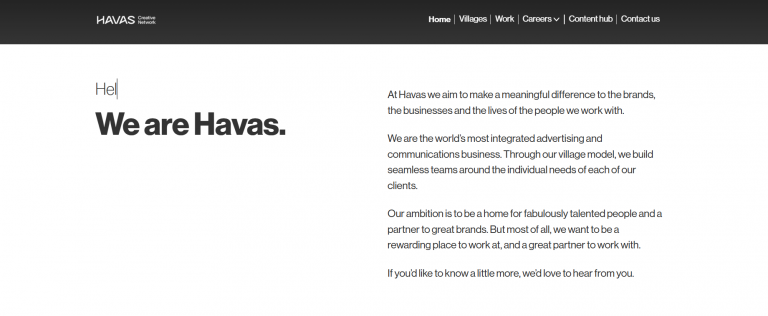
Havas Creative built its reputation by rejecting the old-school model of hard-sell advertising. Instead of pushing products, they create cultural content that people actually choose to engage with. Art, music, documentaries, satire, and pop-up experiences are not just creative vehicles. They are Trojan horses. The brand is inside, but the audience does not feel like they are being pitched. They feel like they are watching, feeling, or discovering something meaningful.
In this article, you’ll discover:
- How Havas hides brand messages inside entertainment, art, or news.
- Why emotional engagement beats forced messaging.
- How to make audiences amplify your message willingly.
The Core of Havas Creative’s Strategy: Wrap Brand Messages in Entertainment
Havas doesn’t interrupt people with ads. They create content that audiences would choose to watch even if the brand was never mentioned. Their strategy flips the traditional model on its head. Instead of asking, “How do we get this ad in front of people?” they ask, “What would people watch, share, or feel drawn to, and how can we make the brand part of that?”
This isn’t just clever packaging. It’s an intentional subversion of how people typically experience advertising. They don’t lead with logos. They lead with intrigue, beauty, emotion, or narrative. Their content shows up in formats people already trust. Think short films, pop culture commentary, immersive design, or even public art. It doesn’t scream “brand message.” It invites attention by being culturally fluent.
The real trick is how seamlessly the brand gets folded into the experience. It’s not just product placement, it’s message integration. Havas builds content that lives alongside entertainment, not beside it. Their campaigns show up in the same spaces as Netflix originals, trending YouTube videos, or gallery-worthy visual art. By the time you realize it was an ad, the emotional hook has already landed. You’re not annoyed. You’re impressed.
This approach doesn’t just change how people see the brand. It changes how they feel about it. And in the modern attention economy, that emotional shift is everything.
Behind the Scenes: How the Havas Method Works
The engine of Havas Creative’s method is not flashy production or surface-level creativity. It is deep cultural immersion. Every campaign starts with studying what the audience is already choosing to watch, listen to, and emotionally react to. They dig into film trends, underground music scenes, emerging design languages, and viral social commentary. They map emotional patterns in pop culture before even thinking about storyboards.
This is not about following trends. It is about understanding the emotional undercurrent behind them. Havas researchers and strategists act more like cultural anthropologists. They track not just what is popular, but why it resonates. What emotion is rising? What idea are people leaning into? What mood does the audience want to feel but has not been given yet?
From there, the creative teams build content formats that feel native to that cultural space. If the culture is in a documentary mood, the campaign takes on a documentary feel. If audiences are craving humor as a coping mechanism, the content leans into satire or parody. Every campaign is shaped around the emotional and aesthetic language the audience is already fluent in.
Then comes the most delicate move: threading the brand into the story without breaking the immersion. This is where Havas separates itself. They do not drop the brand like a product placement. They fold it into the narrative arc. The brand may be the catalyst, the enabler, or even the silent partner in the story, but it is never forced. Logos are shown late. Messaging is subtle. The brand becomes part of the content’s DNA, not a sponsor slapped on top.
Finally, distribution follows the same cultural logic. Havas does not push these campaigns through traditional ad channels. They launch where their audience naturally lives. That could mean Instagram Reels, digital galleries, TikTok, or a one-night-only immersive experience in a city park. The point is to make discovery feel organic. When a viewer stumbles upon it, it should feel like something they would have shared even if it were not sponsored.
The campaign lands because it respects the audience’s attention. It entertains first. It delivers value first. And when the brand appears, it feels like part of the experience, not a commercial interruption.
How Small Businesses & Content Creators Can Replicate This
You do not need Havas’s production budget to follow this playbook. You just need the mindset: serve culture, not commerce.
The magic of Havas lies in understanding people and meeting them with content that feels like a gift, not a pitch. That is something even solo creators and local businesses can do. Whether you are using a smartphone, Canva, or shooting from your shop floor, the goal is to stop thinking like an advertiser and start thinking like a creator. Study your audience, speak their emotional language, and build something they would actually want to consume. If you can create something entertaining, insightful, or beautiful that aligns with your brand values, you are not just selling, you are participating.
Here’s how to make it work on your scale:
Step 1. Identify the content your audience already consumes.
Before you create anything, you need to know what your audience is already choosing to watch, listen to, or engage with. This is not about guessing. It is about observing their preferences in real time. Are they into lifestyle vlogs that show a slice of someone’s life? Do they watch step-by-step tutorials on YouTube? Are they pulled into emotional mini-documentaries or fast-paced, comedic skits?
Scroll through your niche on TikTok, Instagram Reels, YouTube Shorts, or even Reddit. Pay attention to what gets shared, what people comment on, and what emotions come up. Ask yourself: What format makes them stop scrolling? What kind of voice or visual style do they respond to? This is your cultural groundwork. The more fluent you become in what they already love, the more naturally your content can slip into their feed without feeling out of place.
Step 2. Find the dominant emotion.
Every piece of engaging content carries an emotional charge. Your job is to find out what that charge is for your specific audience. Are they drawn to curiosity and the thrill of discovering something new? Do they connect through nostalgia and the comfort of shared memories? Are they motivated by rebellion against norms, or a desire for empowerment and self-actualization?
Scan the captions, comments, and tone of the content they already consume. Look for repeated emotional cues. Are people laughing, venting, crying, reflecting, or cheering something on? This emotional insight will guide not only your content’s tone but also its structure. You are not just creating something to watch. You are building something to feel. And when you center the right emotion, your audience will lean in without needing to be convinced.
Step 3. Choose a format that already fits in.
You do not need to reinvent the wheel. In fact, one of the smartest moves you can make is to borrow formats your audience already trusts. That could be a TikTok voiceover with B-roll clips, a “day in the life” vlog, a carousel post styled like a mini-article, or a short-form vertical video that mimics the tone of a Netflix trailer.
The goal is to make your content feel like it belongs in the feed. If it looks and sounds like the things your audience already chooses to engage with, they will treat it like entertainment—not marketing. You can still be original within the format. But your structure should feel familiar enough that it invites attention, not skepticism. When in doubt, study the patterns that dominate each platform and match your message to that rhythm.
Step 4. Lead with value or entertainment.
Think of your content as a gift, not a pitch. Before you ask your audience to care about your brand, you need to offer them something that feels worth their time. That might be a clever twist, a meaningful insight, a visual punch, or a moment of genuine emotion. If someone would watch, share, or talk about your content even if your brand was never mentioned, you are on the right track.
This approach flips the traditional marketing script. Instead of starting with your product, start with their interest. What will they get from watching this? What emotion will it stir? What idea will it spark? When your audience feels like they received something valuable, whether it is laughter, clarity, or inspiration, they are more likely to welcome the brand message when it comes. That shift turns your content from an interruption into an experience.
Step 5. Integrate your brand late and light.
Your brand should appear in the content, but it should not dominate it. Think of your logo or product as a supporting character, not the star. Let the story unfold first. Build emotional connection, deliver entertainment or insight, and only then introduce the brand in a subtle and purposeful way.
This could be as light as a logo in the closing frame, a casual mention in the voiceover, or a product sitting naturally within the scene. The key is to make sure the content would still be worth watching even without the brand. That restraint is what earns trust. When the audience finally realizes it is branded, they do not feel manipulated. They feel like they found something interesting and then learned where it came from. That is a much stronger position than trying to force attention at the beginning.
Step 6. Use authentic production tools.
You do not need studio lighting or a professional film crew to make this work. In many cases, too much polish can actually make your content feel less trustworthy. What performs best right now is content that looks and feels real. Shoot with your phone. Embrace a lo-fi aesthetic. Add captions using the same apps your audience uses. Let your edits be rougher if it helps preserve a natural vibe.
People are trained to scroll past anything that looks like a traditional ad. But when content feels like it came from someone just like them, they are more likely to engage. Use the tools your audience already knows and trusts. That alignment in production style makes your content blend into their world while still carrying your message.
Step 7. Post where it belongs.
Do not just post your content where it is convenient. Post it where your audience already goes to be entertained, inspired, or informed. That may not always be your biggest platform. It should be the platform where your format, tone, and message feel most at home.
For example, if your content mimics a trending video style, launch it on TikTok or Reels first. If it looks like a visual story or documentary still, consider YouTube Shorts or Instagram carousels. The goal is to meet people where they are already in the mood to watch. Posting on the right platform increases the chance your content gets consumed in the right mindset. It also signals that you understand the space you are entering, which builds credibility and trust.
When you apply these steps, you are no longer making ads. You are creating content people actually want to spend time with. That shift, from pushing messages to crafting experiences, is what separates forgettable marketing from campaigns that earn attention, shares, and loyalty. Whether you are a small business or solo creator, you now have the tools to build something entertaining, emotionally resonant, and brand-aligned. Start by asking what your audience already loves, then find a way to show up inside that world. Make them feel, make them think, and then let them discover your brand within the story. That is how you turn content into connection.
Implementation Blueprint
To bring the Havas method to life, you need to think like a content studio, not just a marketer. Your goal is not to promote. Your goal is to entertain, engage, and emotionally connect. Whether you are running a local business or building a content brand, you have the tools to mimic Havas Creative’s approach by staying close to your audience’s interests and wrapping your message inside moments they already enjoy. This section breaks down how to do that based on who you are and what your platform is.
For Small Businesses: Dominate Cultural Relevance in Your Niche
- Create a micro-series. Highlight your world through short episodes that tell a story. This could be customer spotlights, staff journeys, or community partnerships. Think documentary style but short and raw.
- Turn how-to content into edutainment. Instead of dry tutorials, add personality, humor, or drama. Examples include “3 mistakes people make before booking a wedding venue” or “Behind the scenes at our bakery at 4 a.m.”
- Host experiences that feel like lifestyle content. Record events like they are part of a travel vlog or a slice-of-life story. Let your audience feel the vibe, not just see the sale.
For Content Creators: Dominate Story Format and POV
- Choose a core emotion and make it your lens. Anchor your brand in a feeling. Maybe you stand for boldness, vulnerability, curiosity, or confidence. Let every piece reflect that emotion.
- Build repeatable formats. Develop content structures that your audience instantly recognizes. A recurring character, a series hook, or a signature edit style creates consistency and makes your brand easier to follow and remember.
- Use your life and audience journey as the story. Instead of staying on the surface, show the process, the mess, the wins, and the learning. People follow people, not just topics.
By embedding your brand or content into entertainment, you do more than stand out. You become part of your audience’s daily media diet. That is how you build not just visibility but resonance. Use the tools you already have, keep your message human, and focus on creating something people want to engage with before they even realize it is marketing. That is the blueprint to becoming unforgettable.
Final Takeaway: Entertain First, Sell Second
Havas Creative proves that the most impactful marketing does not feel like marketing. It feels like culture. When you design content that entertains, educates, or emotionally resonates first, and only introduces the brand once trust is built, you stop chasing attention. Your audience chooses to give it to you.
This approach works whether you are a solo content creator, a small business owner, or leading a growing brand. The key is to shift your mindset. You are not just promoting something. You are producing something worth watching. That is what earns real engagement.
So before you post, before you plan, ask yourself:
Would someone choose to watch this if they didn’t know it was an ad?
If the answer is yes, then you are using the Havas method.
Let your brand become the content. Not the interruption.
Memberships
Affiliate Program
Copyright © 2025 Creator Affect