
72andSunny’s Playbook: Cultural Infiltration, Make the Brand the Trend
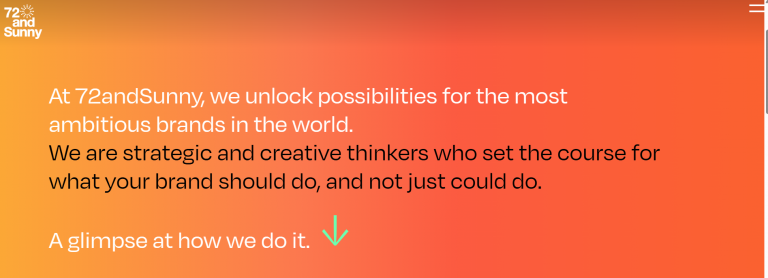
In an industry overflowing with noise, where audiences are bombarded by polished taglines and forgettable promotions, one agency found a way to bypass the billboard effect entirely. 72andSunny doesn’t just create campaigns. They infiltrate culture. Their ads don’t look like ads, and that is exactly the point. They build campaigns that feel like they were born from inside the movement, not imposed on it. This isn’t surface-level trend jacking. It is calculated, layered, and surgical. Their strategy turns brands into cultural artifacts that feel discovered, not delivered.
The real secret is this: 72andSunny doesn’t sell products. They sell belonging. They find the edge of a movement, plug the brand into that momentum, and let the community carry it forward. Audiences don’t just buy. They adopt. It is commercial infiltration wearing the mask of cultural authenticity. And while it may look effortless on the outside, behind the scenes it is a masterclass in timing, tone, and identity. This is not about borrowing cool. This is about making the brand look like it was always part of the story.
Aligning with Subculture, Not Just the Market
At the center of 72andSunny’s strategy is a truth most brands ignore. Demographics are not culture. Age, income, and location do not explain why people connect, share, or believe. Culture does. And 72andSunny does not just study culture from the outside. They get inside it. They look for subcultures that are already alive with energy, often overlooked by mainstream marketing. These are not trends pulled from charts. They are movements forming in real time, online, in neighborhoods, in music, and on the fringes. Before these spaces go mainstream, 72andSunny is already there, shaping the message to match the heartbeat of that tribe.
They do not brand over a trend. They embed within it. The trick is subtle but powerful. Instead of placing a product in front of a cultural wave and hoping for attention, they inject the brand into the cultural bloodstream so naturally that it feels like it grew there. The audience does not feel like they are being marketed to. They feel seen. The campaign does not say “Join us.” It says “You’re already here.” That psychological shift turns passive viewers into active participants. The brand becomes less of a message and more of a mirror reflecting something the audience already feels but has not seen validated in a campaign before.
For small businesses and content creators, this is not out of reach. You do not need a million-dollar budget to align with culture. What you need is cultural awareness and the courage to step into a conversation already in motion. Ask yourself what movement your ideal audience is quietly part of. What are they frustrated by? What inside joke or shared experience bonds them? Then create something that feels like it came from within that circle. Not a brand talking at them, but one speaking like them, with them, and for them. That is what 72andSunny gets right, and it is a move any business can make if they are willing to listen before they speak.
Commercial Infiltration with a “Cool Mask”
72andSunny does not hide the fact that their work is commercial. They have clients, they chase results, and their campaigns are designed to drive ROI. But what sets them apart is how they present that commercial intent. They wrap it in what they call a “cool mask.” That mask is made of cultural codes, subcultural aesthetics, and insider language that feels native to the community they are targeting. The audience sees something familiar, something stylish, something that looks like it was made by someone from within. By the time they realize it is an ad, they are already paying attention. That is the real trick. The commercial element never leads. It blends.
Here is how it works in practice. First, they decode the subculture. What do people wear? How do they talk? What do they value? What symbols matter? Then they build a campaign that mimics or even evolves that exact visual and verbal language. The brand’s messaging, tone, and imagery are carefully embedded within that framework. It never screams for attention. It exists within the moment, not above it. And that is why people engage. Because it feels like they found it themselves. That sense of discovery flips the power dynamic. The brand does not chase the audience. The audience feels like they have uncovered something that already belongs to them.
Smaller brands and creators can absolutely do this. In fact, your size gives you an advantage. You can move faster. You can watch culture without corporate blinders. Start by identifying a subculture that already exists within your niche. Maybe it is a movement inside your industry, a shift in audience tone, or a group growing tired of mainstream options. Observe everything about them. How they speak. How they design. What they complain about. Then create content or campaigns that look and sound like they could have come from within that group. When someone scrolls and sees your message, it should not feel like a brand trying to copy the vibe. It should feel like one of their own saying what they have been thinking all along. That is the difference between blending in and being accepted.
The Mechanics of Making the Brand the Trend
So how does 72andSunny actually pull this off? What looks effortless on the surface is actually a disciplined creative process rooted in cultural observation, timing, and strategic restraint. Their campaigns are not just clever ideas. They are constructed with intention, mapped to the codes of culture, and timed to ride the wave just before it crests. Every move they make serves the goal of embedding the brand without breaking the illusion of authenticity.
Here are the working mechanics of the strategy:
Step 1: Spot the moment or subculture early
The first move is not about creating something new. It is about seeing what is already taking shape. 72andSunny succeeds because they spot cultural momentum before the mainstream catches on. They look for the signals others ignore. That might be a small group of creators using a new visual style, a niche meme gaining traction, or a shift in how a specific community talks about a shared frustration. These early signs are often subtle, happening in corners of the internet, underground events, or emerging subreddits.
The mistake most brands make is waiting too long. By the time a trend reaches a headline, it is already saturated. To make your brand feel like part of the culture, you need to enter the moment before it becomes a marketing cliché. Watch the margins. Listen to voices that are not yet being amplified. Pay attention to creators with small but obsessive followings. Those are the places where culture is being made in real time.
Step 2: Absorb the cultural aesthetic
Once you have identified the movement, you need to study it with the attention of an insider. Every culture, whether large or niche, has its own aesthetic code. It shows up in colors, slang, pacing, fonts, filters, humor, and even silence. 72andSunny does not create their campaigns in a vacuum. They immerse in the world they want the brand to enter. They learn how it looks, how it speaks, and how it signals who belongs.
This is not about mimicry. It is about fluency. If your campaign borrows the look but misses the meaning, the audience will sense it immediately. Surface-level imitation reads as parody. Cultural alignment feels like truth. You need to reflect the movement with accuracy and respect, not as a costume, but as a creative language you have taken the time to learn. When done right, your message feels like a contribution, not an intrusion.
Step 3: Craft a native-feeling message
This is where most brands slip. They get the aesthetic right, but the message still sounds like a commercial. 72andSunny avoids that mistake by writing like an insider, not a marketer. The copy, tone, and structure of the message should feel like it came from someone who lives inside the community, not someone trying to reach into it. That means speaking to shared experiences, frustrations, values, and in-jokes that only someone immersed in the culture would understand.
The message should feel like a post someone in the scene would have written. Not a pitch. A statement. A truth. A reaction. It can be short, even subtle. But it should carry weight. Think less like an ad and more like commentary. It should sound like it belongs on their feed, not in a campaign. If someone in the culture reposts your message without knowing it came from a brand, you have done it right.
Step 4: Activate in the social natives’ habitat
It is not enough to craft a message that sounds like it belongs. You have to place it where it actually does belong. 72andSunny understands that cultural resonance depends not only on what is said, but where it is said. They do not launch campaigns through traditional media and hope the message trickles down. They go straight to where the community gathers. That might be TikTok, Instagram Stories, Discord groups, niche subreddits, or even physical spaces like pop-up events, skate parks, or underground shows.
You need to identify the platforms and places where the audience is already speaking to each other. Then meet them there without fanfare. This is not about loud launches or polished billboards. It is about showing up in the feed, on the wall, or in the room where the culture is alive. When you show up in their space with something that looks, sounds, and feels like it belongs, they do not just notice. They welcome you in.
Step 5: Surface the brand but don’t shout it
One of the most delicate and powerful moves in 72andSunny’s playbook is how they insert the brand itself. It is never front and center in a way that disrupts the cultural flow. Instead, the brand is present, but woven into the creative fabric of the campaign. It is visible enough to be recognized, but not so loud that it breaks the illusion. The result is branding that feels like cultural expression rather than corporate messaging.
Think of the brand as a watermark, not a billboard. It is integrated into the story, the visuals, the tone, even the casting choices. The goal is not to make people stop and say “Here’s an ad,” but to make them feel something first, and then realize the brand was part of it. This subtlety creates brand resonance, not interruption. People do not reject what feels authentic, even when it is attached to a product. But they do tune out anything that feels like a hard sell dressed up as relevance.
Step 6: Monitor and evolve
Culture does not sit still. What resonates today can feel outdated tomorrow. 72andSunny knows that launching a campaign is not the finish line. It is the starting point for real-time observation and adaptation. Once the work is out in the world, they watch how it moves through the community. What gets shared? What gets ignored? How does the audience interpret the message? This feedback loop is essential, because the culture will respond in unexpected ways, and the best campaigns evolve with that response.
If a message starts to lose traction, they shift. If the tone feels off after a cultural shift, they adjust. This kind of agility is not just reactive. It is strategic. A campaign that stays static quickly starts to feel out of sync with the people it was meant to connect with. For smaller brands and creators, this means keeping your ears to the ground. Read the comments. Track the trends. Watch the tone. And be willing to evolve your message without losing your core. Cultural relevance is not a one-time achievement. It is a continuous decision.
Step 7: Own the upside of authenticity
When you get it right, when your brand enters the culture with respect, fluency, and timing, the rewards go far beyond impressions or clicks. You become part of the conversation instead of an interruption to it. That is the ultimate goal of 72andSunny’s approach. They do not just create ads that people watch. They create campaigns that people talk about, share, remix, and reference. The brand stops feeling like an outsider trying to sell something and starts feeling like a participant in something meaningful.
This kind of authenticity builds loyalty in a way no incentive or discount ever could. It earns trust because it proves you are paying attention, not just pushing product. The community begins to recommend your brand because it feels like their own. That is when the marketing stops being a message and starts becoming a movement. And it only happens when the brand is willing to let go of control, step into culture with humility, and let the audience take the lead in how the story spreads.
This kind of authenticity builds loyalty in a way no incentive or discount ever could. It earns trust because it proves you are paying attention, not just pushing product. The community begins to recommend your brand because it feels like their own. That shift is powerful. You are no longer trying to convert an audience. You are empowering one that already exists. When people see your brand as a reflection of their values, their style, and their identity, they adopt it and defend it. They become your distribution.
But here is the key: you have to let go of the need to control the narrative. Authenticity invites participation, and participation means things may evolve in ways you did not plan. Your audience might remix your message, reinterpret your visuals, or shift the tone. That is not failure. That is proof the culture has accepted your brand into the conversation. It is a sign that your marketing has become more than content. It has become context. And that is when your brand truly earns its place inside a movement.
Translating for Content Creators & Small Businesses
You do not need a Super Bowl budget or a full creative department to use the 72andSunny playbook. What you need is situational awareness, the ability to read cultural signals, and the confidence to act on them before the mainstream catches up. Whether you are a local business, a niche content creator, or someone building a brand within a specific community, the mechanics of cultural infiltration still apply. In fact, smaller brands often have an edge. You are closer to your audience. You can shift faster. You do not have to navigate corporate red tape to speak directly and authentically.
The goal is not to copy what 72andSunny does at scale. The goal is to apply the same thinking in a way that fits your voice, your market, and your moment. If you can observe culture early, embed your brand within it, and express yourself with honesty and fluency, you will not need to shout to be heard. Your message will carry because your audience will feel like it came from them. The following steps will help you apply this method in your own context.
Step 1: Pick a cultural cavity
Start by identifying a gap, tension, or overlooked pocket of energy in your space. This is what 72andSunny would call your cultural entry point. It is not always about what is trending. In fact, it is often what is missing. Look for who is underrepresented, what is not being said, or where people are quietly gathering without brand involvement. This is your opportunity to step in with something meaningful.
For example, let’s say you own a skate shop. You might notice that the culture around female skaters in your city is strong but under-supported. They are showing up, progressing, building community, but they are rarely featured, sponsored, or highlighted by local brands. That is your moment. Not because it is popular, but because it is real. That group does not need you to lead. They need you to amplify. When you recognize a cultural cavity like that and respond with respect and action, your brand does not just show up. It becomes part of the movement.
Step 2: Use the symbols of that culture
Every subculture speaks in symbols. These symbols can be visual, verbal, tonal, or behavioral. They are the aesthetic signals that communicate who belongs and who does not. If you want your brand to feel native to a movement, you need to use the creative language that movement already understands. This is not about appropriating style for attention. It is about speaking fluently in the codes that carry meaning within that group.
Continuing with the skate shop example, if your audience values a raw, underground energy, your content should reflect that. You might lean into the DIY zine aesthetic, shoot grainy footage that feels more like a camcorder than a commercial, or use voiceovers that sound like they were recorded during a real skate session. If the community values imperfection, your content should not look overly produced. If they reject corporate polish, your message should feel rough, real, and lived-in. The goal is not to mimic from the outside, but to create from a place that feels like it came from within.
Step 3: Create content that looks like the conversation
Once you understand the tone and symbols of a culture, the next step is to build content that feels like part of the ongoing dialogue. This is where most marketing misses the mark. Brands try to insert themselves with messages that feel like announcements instead of contributions. If your content does not resemble what the audience is already sharing, watching, or saying, it will stand out for the wrong reasons.
The solution is to make your campaign look and sound like something that could have been created by the community itself. For example, in the case of your skate shop, you could build a campaign around a rallying message like “Skate Girls Taking Back the Concrete Jungle.” This headline is not a pitch. It is a declaration. It gives voice to the people already doing the work and invites others to join them. Your visuals might show real local skaters in real spots. Your tone should reflect their attitude, not your brand guide. The idea is to let your audience see themselves in your content and feel proud, not marketed to.
Step 4: Choose your platform accordingly
Where you show up matters just as much as how you show up. You need to bring your content to the platforms and physical spaces where the culture already lives. That means thinking beyond traditional advertising or generic posting schedules. If your campaign appears in a place that feels disconnected from the community, it will be ignored or worse, rejected. But if it appears where your audience naturally gathers, it blends into their world and earns attention without forcing it.
Using the female skate culture example, you might launch your campaign through Instagram Reels using raw, unfiltered edits that match their vibe. You could collaborate with local skaters on TikTok to co-create short-form content that highlights their talent and perspective. Offline, you might host a pop-up at a local skate park with live music, zines, and a space to film or share clips. The goal is to meet the community where they are already active and create in a way that feels like it belongs to them, not just about them.
Step 5: Feature your brand as a fellow skater, not the shop owner
The biggest mistake a brand can make when entering a subculture is positioning itself as the authority. No one wants to be told what their community means by an outsider, especially one with a commercial motive. 72andSunny avoids this by positioning the brand as a participant, not a commander. You are not leading the culture. You are joining it. You are not taking credit. You are amplifying what already exists.
Your brand should show up as one of them. If you are running a skate shop and spotlighting female skaters, your campaign should reflect their voice and your support. Maybe the video opens with a raw, powerful line like “We’re done being sidelines,” followed by clips of actual skaters taking over urban spaces. Then you reveal how your shop is involved, whether through sponsorships, co-creating content, or hosting events. You are not the star. You are the platform. That humility is what makes your involvement feel real.
Step 6: Keep the brand visible but organically integrated
Visibility matters, but how your brand shows up is everything. If your logo or messaging feels forced, the entire campaign risks looking performative. 72andSunny excels at making the brand part of the moment, not the focus of it. Their clients are present in the work, but in ways that feel natural, embedded, and culturally fluent. It is a balancing act between recognition and restraint.
In your own campaign, the brand should be there, but woven into the experience. Maybe your logo appears on a banner in the background of a skate event, printed on co-designed merch worn by the community, or tagged at the end of a video in a way that feels earned. It should not dominate the story. It should live inside it. When your branding feels like it belongs there, not because you paid for space but because you contributed to the culture, it reinforces trust rather than disrupts it.
Step 7: Track the cultural markers
Once your campaign is out in the world, your job is not over. Now you need to pay attention to how the culture responds. Forget traditional metrics for a moment and look for deeper signs of integration. These are your cultural markers. Are people using your hashtag without being asked? Are you getting tagged in organic posts or videos? Are you seeing your gear show up in the wild, not because of a promotion, but because it actually resonates? That is how you know you are no longer just marketing. You are part of something.
This is what 72andSunny understands better than most. True success is not just measured in likes or reach. It is measured in adoption. When people internalize your message, carry your visuals into their own content, or start treating your brand like a familiar part of their world, that is when the campaign moves from content to culture. Pay close attention to these signals. They are the clearest evidence that you did more than sell. You showed up and stayed.
Content creators can adopt the same lens. If you make DIY content, do not just think about your niche. Think about the cultural slices within it. Maybe you find a growing community of eco builders who prioritize sustainability over aesthetics, or minimal material creators who value ingenuity over perfection. That is your subculture. Now study their language. Look at how they shoot their content, how they title their videos, what kind of humor or tone they use. Then build your message inside that rhythm. Do not just mimic their style. Reflect their values.
When you do this with intention, your brand identity stops feeling like a broadcast and starts feeling like a discovery. The audience does not feel targeted. They feel seen. And when they stumble upon your content, it does not feel like something pushed onto their feed. It feels like something they were meant to find. That sense of discovery is what turns casual viewers into long-term fans. You are not just building reach. You are building cultural relevance, and that is a foundation that lasts.
Watch Out for the Pitfalls
Embedding your brand in culture is powerful, but it is not without risk. The same tactics that create deep resonance can also backfire if handled carelessly. If you misread the room, or worse, misrepresent a subculture, the fallout can be swift and public. Audiences are quick to spot when a brand is forcing itself into a space it does not understand. If your message feels inauthentic or opportunistic, you will not be seen as part of the movement. You will be labeled the outsider who tried to buy their way in.
This is not just a warning for major brands. The same risks apply to small businesses and solo creators. You may not face headlines or viral backlash, but trust is just as fragile at a local level. You cannot just copy the surface of a culture. You have to listen, study, and understand the deeper values that hold that community together. When you finally bring your brand into the conversation, it should be clear that you are contributing something real, not just looking for attention.
The key is to lead with humility. Respect the space. Create something that serves the people in it. If your brand becomes a mirror for their voice and values, you will earn your place. But if you use culture as a costume instead of a context, the audience will see right through it.
Final Takeaway: Be The Trend
Here is the real secret behind 72andSunny’s playbook. Brands do not need to create the moment. They need to enter it so naturally and so precisely that it feels like they were there from the beginning. Their power is not just creative. It is surgical. They do not shout over culture. They infiltrate it. They find the conversations that already matter, and then place the brand in a position that feels earned, timely, and aligned. The audience is not told to pay attention. They simply do, because the brand feels like part of the moment they care about.
This is not about trend chasing. It is about cultural timing. If you embrace this strategy, you stop interrupting and start participating. You stop trying to force relevance and begin showing up with purpose. You borrow momentum from the people already doing the work. And when you get it right, your brand becomes something more than a message. It becomes a marker of identity. Something people wear, repeat, tag, and trust.
So enter the culture. Speak its language. Understand the codes, not to imitate, but to connect. But do not just blend in and hope to go unnoticed. Show up with clarity, creativity, and respect. Stand out by being real. Make your brand the trend, not the afterthought.
Memberships
Affiliate Program
Copyright © 2025 Creator Affect